
Loading...
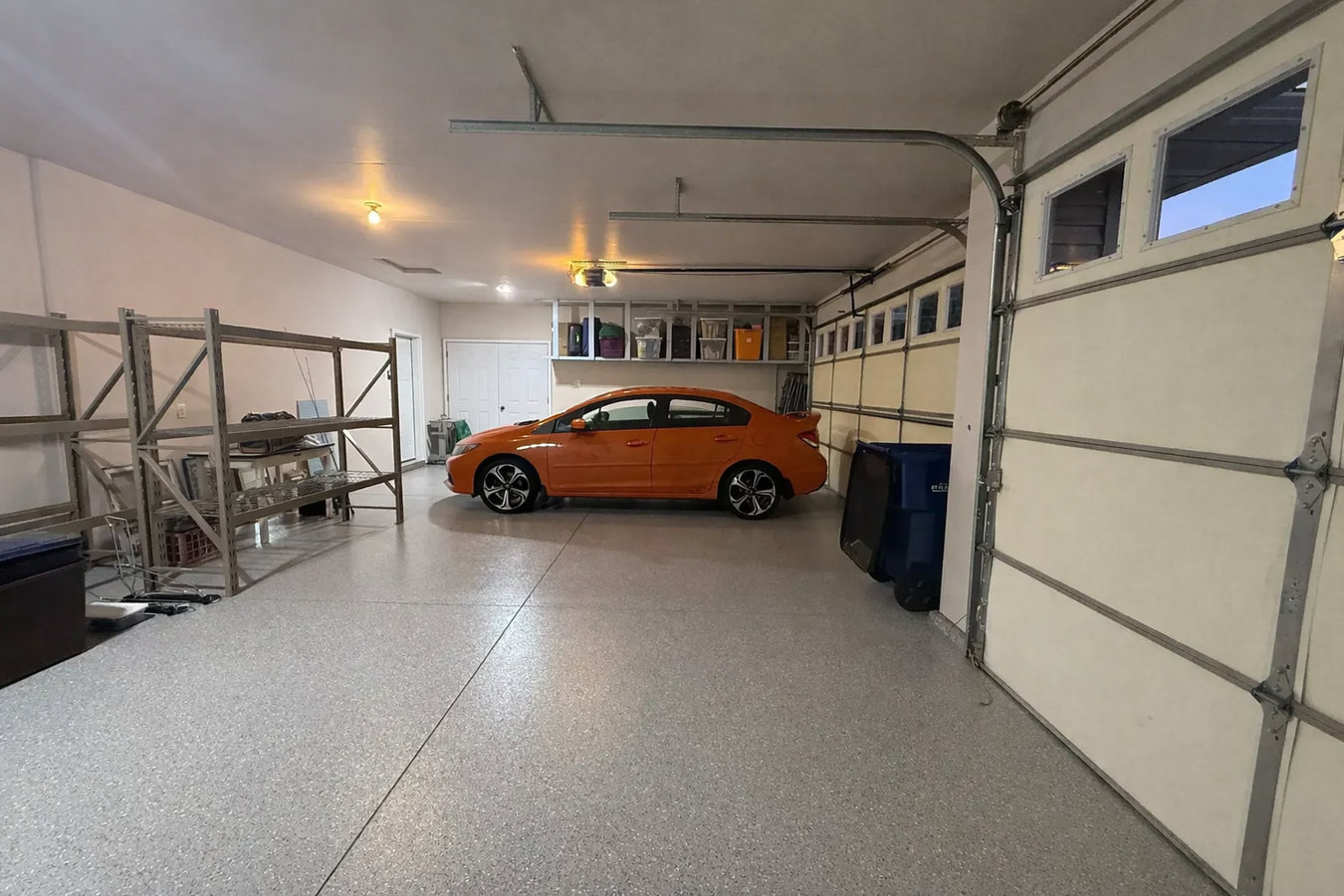
Cracked, uneven, or spalling garage floors are common in Cupertino. We replace and install concrete slabs built for the clay soil conditions here, so you get a floor that holds up through every wet season.
Garage floor concrete in Cupertino means removing the old slab, preparing the base for local clay soil conditions, pouring fresh concrete with proper reinforcement, and finishing the surface level and sloped toward the door - most jobs take two active work days plus about seven days of curing before you can park again.
Many homeowners in Cupertino deal with floors that crack or heave repeatedly because the base underneath was never prepared to handle the soil movement here. Clay-heavy ground in neighborhoods near the foothills swells in wet winters and shrinks in dry summers, and that cycle is hard on any slab that was not built for it.
If your garage floor has shifted, pooled water, or started to flake apart, the right answer is usually a full replacement rather than patching. Many homeowners in the area also pair a new slab with decorative concrete finishes or interior concrete floor installation to get a finished, clean look throughout the space.
Small hairline cracks are normal, but if a crack is wide enough to fit a pencil tip - or runs diagonally from a corner - the base underneath has shifted. In Cupertino's clay-heavy soils, this is a recurring problem, not a one-time event. Left alone, these cracks let water in during winter rains, which weakens the base further and worsens the problem each season.
Walk slowly across your garage floor and listen for a hollow sound when you tap with your heel, or feel for spots that flex slightly. This means the soil or gravel base underneath has eroded or settled, leaving the slab unsupported. In Cupertino neighborhoods near seasonal drainage areas or hillside lots, this kind of erosion is more common than most homeowners expect.
A properly poured garage floor slopes slightly toward the door so water drains out. If puddles form in the center or back of your garage after a winter storm, the floor has either settled unevenly or was never poured with the right slope. Standing water accelerates concrete deterioration and can damage stored belongings over time.
If the top layer of your floor is peeling off in chips or crumbling when you sweep, the surface has started to break down - a process called spalling. It usually means the original pour was finished too quickly, the concrete mix was off, or the floor has simply reached the end of its useful life. Once spalling starts, it tends to spread, and patching only helps temporarily.
We handle full garage floor replacements from start to finish - demolition, debris removal, base preparation, pour, and finishing. For most Cupertino homes, that means assessing the soil and adding compacted gravel or base material before a single bucket of concrete is mixed. We also use rebar or welded wire mesh inside the slab for added strength in a seismically active area. If your garage connects to an interior workspace, some homeowners also ask about our concrete floor installation work for adjacent rooms or utility areas.
Beyond the basic slab, we offer epoxy and polyurea coatings that make the floor easier to clean, resistant to oil stains, and better looking overall. Coatings go on after the concrete has fully cured - usually about 28 days after the pour - so they add time to the overall project, but the result is a floor that feels finished rather than just functional. Homeowners who want a more decorative result can also explore our decorative concrete options, including stained and polished finishes.
Suits homeowners with a cracked, heaving, or spalling floor that has reached the end of its useful life.
Suits new construction, garage conversions, or properties where no concrete floor currently exists.
Suits Cupertino homes on clay-heavy or hillside lots where soil movement and seismic risk are higher.
Suits homeowners who want a clean, stain-resistant surface - especially if the garage is used as a workspace or will be shown to buyers.
Most of Cupertino's housing stock was built between the 1950s and 1980s, which means a lot of garage floors out there are 40 to 70 years old. Those slabs were poured when base preparation standards were less stringent, and many sit on ground that shifts with the seasons. The clay soils common in neighborhoods near the foothills - including areas around Monta Vista and Rancho San Antonio - expand when they absorb winter rain and shrink again in the dry summer. That repeated movement is one of the main reasons older slabs crack, heave, or lose their slope over time. Getting the base right before the pour is what separates a floor that lasts from one that cracks again within a few years.
Cupertino also sits in a high seismic hazard zone, between the San Andreas and Calaveras fault systems. While a garage floor slab is not a structural element the same way a foundation is, seismic activity puts additional stress on slabs and their bases over time. Contractors who work regularly in the Bay Area typically recommend slightly thicker slabs and interior steel reinforcement for that reason. We also see the same soil movement challenges in neighboring Saratoga and Los Altos, where hillside lots and older homes make proper base preparation equally important.
Reference: American Concrete Institute - California Contractors State License Board
Call or submit a request online. We respond within 1 business day and schedule a free on-site visit to look at your garage, assess the existing slab, and check the soil conditions - all before giving you a written quote.
We visit your Cupertino home, measure the garage, check the base conditions, and note any specific soil or drainage concerns. You get a written estimate that covers demolition, base prep, pour, and any coating work - no vague line items.
Day one is demolition: we break up and haul away the old slab, then compact and prepare the base. Day two is the pour and finish - including control joints, proper slope toward the door, and any steel reinforcement. Loud and active, but wrapped up quickly.
After the pour, the slab needs seven days before you can park on it. We do a final walkthrough with you once it has cured. If you are adding a coating, that work happens about 28 days after the pour, once the concrete has reached full strength.
Free on-site estimate. Written quote before any work begins. We respond within 1 business day.
(669) 205-6792We hold a California C-8 Concrete Contractor license issued by the CSLB - the specific license classification required for concrete work in this state. You can verify our license status in about two minutes at cslb.ca.gov before you sign anything.
We check the base conditions at your specific lot before pricing the job, because clay soil depth and stability varies significantly across Cupertino neighborhoods. What matters under your slab is as important as the concrete on top of it.
We have poured and replaced garage floors in Cupertino, Saratoga, Los Altos, Santa Clara, and across the South Bay. That work gives us a consistent read on local soil patterns, permit requirements, and HOA rules that out-of-area contractors simply do not have.
Your estimate breaks out demolition, base preparation, pour, and any coating work as separate line items. If something unexpected comes up once the old slab is removed, we discuss it with you before the price changes - not after the fact. See the{' '} American Concrete Institute's standards at concrete.org.
Every job we take in Cupertino is covered by active general liability and workers compensation insurance. You take on no personal liability for our crew, and we provide proof of coverage before any contract is signed.
Add a stamped, stained, or polished finish to your new garage slab for a surface that looks finished, not just functional.
Learn moreInterior concrete floor work for adjacent utility rooms, workshops, or living spaces connected to your garage.
Learn moreBook now to secure a dry-season pour date before the fall schedule fills - we respond within 1 business day and come to you for the estimate.